Electric Motors in HVAC Systems: Efficiency and Maintenance Tips

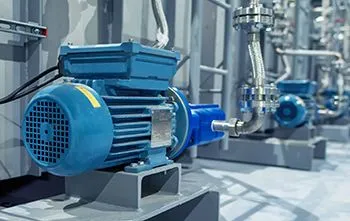
Heating and cooling units depend on exact mechanical movement. At the center of this movement are electric motors that drive fans, blowers, and pumps. These mechanisms convert power into stable motion. When motors perform well, indoor air control remains stable. When they fail, systems lose consistency.
Clear upkeep steps, proper sizing, even inspection, and strong monitoring practices guarantee consistent output. The following sections explain how performance efficiency care routines impact overall system reliability.
Role of Motors in Air Circulation
Motors power fans that push air through ducts across coils, then into occupied spaces. Proper torque ensures balanced airflow. Stable rotation keeps pressure within safe limits. When performance drops, ventilation becomes uneven. Regular inspection protects system stability, prevents sudden shutdowns, and keeps mechanical movement consistent across all operating cycles.
Power Consumption and Energy Control
Energy use depends on load demand, motor size, and operating hours. Efficient models convert more input power into useful motion. Poor alignment and worn bearings increase draw. Monitoring voltage current patterns reveals waste early. Timely corrections reduce overhead costs, extend service intervals, and maintain predictable electrical consumption levels.
Selecting the Right Motor Capacity
Correct sizing prevents overheating, vibration, and excess strain. Oversized units waste electricity. Undersized units struggle during peak demand. Engineers calculate torque, speed, and load before installation. Accurate rating improves airflow balance, protects connected components, and supports reliable temperature regulation during continuous or variable operating schedules.
Variable Speed Drive Integration Benefits
Speed control devices adjust rotation based on demand. Reduced speed lowers power draw significantly. Controlled acceleration limits stress on internal parts. Adaptive control enhances comfort and stability. Integrating advanced drives allows better regulation, smoother transitions, and measurable savings across diverse operational conditions.
Preventive Service Checklist Guide
Structured service plans reduce downtime risks. Consistent review ensures lasting performance.
- Inspect insulation condition for visible wear signs
- Tighten electrical terminals to avoid loose contacts
- Verify shaft alignment during scheduled inspections
- Measure current draw against rated capacity
- Clean cooling vents to improve heat release
Heat Management and Ventilation Needs
Thermal buildup shortens service life quickly. Cooling vents must remain clean and clear. Air passage blockage raises internal temperature. Insulation quality affects heat tolerance. Routine inspection of housing vents windings prevents internal damage, maintains structural integrity, and secures safe long term mechanical operation.
Lubrication and Bearing Care Routine
Bearings support smooth shaft movement. Insufficient lubrication causes friction, heat, and noise. Scheduled greasing prevents wear. Proper grade lubricant matters greatly. Keep teams should follow manufacturer intervals, check alignment, tighten mounts, and detect vibration signs to evade premature module failure.
Electrical Testing and Safety Checks
Steady testing confirms winding integrity, insulation strength, and circuit balance. Technicians measure the resistance, current flow, and temperature growth. Any deviation indicates early fault development. Preventive diagnostics limit unplanned downtime, improve safety compliance, and preserve reliable output under varying electrical supply conditions.
Cleaning Practices for Long Life
Dust accumulation restricts cooling airflow increases drag. Surface cleaning protects the external casing. Internal cleaning reduces contamination risk. Moisture control prevents corrosion formation. Planned cleaning schedules sustain efficiency, minimize mechanical resistance, and support dependable function throughout heavy-duty operational periods.
Common Fault Signs Overview
Early fault detection prevents major repairs. Observing minor signals saves equipment lifespan.
- Rising operating temperature beyond the safe range
- Unusual vibration during the steady rotation period
- Persistent humming noise from the housing section
- Decrease in airflow pressure levels
- Frequent breaker trips during startup
Stable mechanical movement supports indoor climate control. Careful monitoring reduces energy loss and protects connected parts. Timely testing prevents sudden malfunction. Planned servicing ensures steady airflow pressure balance. When electric motors receive proper attention entire heating and cooling infrastructure remains dependable, efficient, and ready for sustained performance.