Transitional Style and the Window Treatments That Work Best

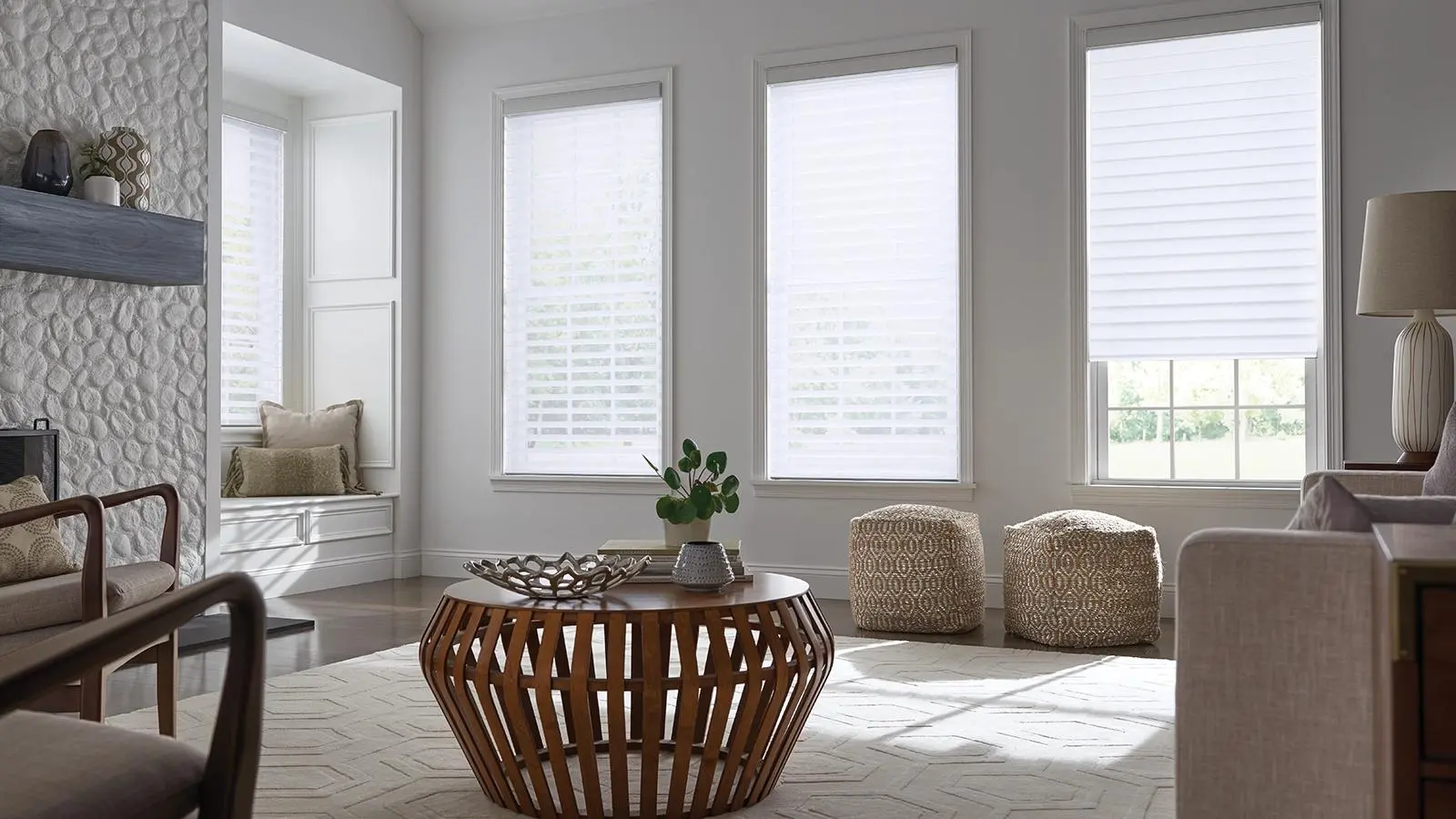
Transitional design has become one of the most popular interior styles in American homes, and for good reason. It blends the warmth and familiarity of traditional interiors with the clean lines and simplicity of modern design. The result feels timeless, balanced, and livable without leaning too far in either direction.
While furniture and lighting often get the spotlight in transitional spaces, window treatments quietly play a crucial role in defining the look. The wrong choice can tilt the room too traditional or too contemporary. The right choice reinforces that subtle middle ground that makes transitional style feel effortless.
Understanding how to approach window treatments within this aesthetic helps maintain harmony throughout the space.
What Defines Transitional Style?
At its core, transitional design is about balance. It avoids heavy ornamentation but doesn’t feel stark. It embraces comfort but keeps silhouettes refined. You’ll often see neutral palettes layered with texture, classic shapes simplified for modern living, and a mix of materials like wood, metal, linen, and glass.
Because the style thrives on restraint, window treatments should support the architecture without overpowering it. They should feel tailored but not fussy, soft but not overly decorative.
The goal is quiet sophistication.
Why Window Treatments Matter So Much in Transitional Spaces
Transitional rooms rely heavily on proportion and texture. Since the color palette is often neutral — think warm whites, soft grays, taupe, and muted blues — texture becomes essential for depth.
Window treatments are one of the largest uninterrupted fabric elements in a room. They influence how tall ceilings feel, how structured the walls appear, and how much softness the space carries.
If the treatments are too ornate, the room drifts traditional. If they’re too minimal or stark, the space can lose its warmth and begin to feel contemporary rather than transitional.
Finding the balance is key.
The Role of Drapery in Transitional Design
Floor-length panels are often a natural fit in transitional homes because they introduce softness while maintaining structure. Clean lines, tailored pleats, and well-proportioned fullness feel polished without being elaborate.
Custom drapes work particularly well in these spaces because transitional design depends so heavily on fit and proportion. Panels that are too short or improperly scaled can disrupt the room’s balance. Drapes that skim the floor and are mounted high help elongate the walls while preserving the room’s understated elegance.
Fabric selection should lean toward refined textures rather than bold prints. Linen blends, subtle weaves, and soft solids complement the layered neutral palettes typical of transitional interiors. Patterns, if used, are often muted — tone-on-tone geometrics or very soft traditional motifs that don’t compete with other elements in the room.
Hardware should remain simple and streamlined. Matte black, brushed nickel, or antique brass rods provide structure without ornamentation.
When Roman Shades Are the Better Choice
In certain areas of a transitional home — particularly kitchens, breakfast nooks, or smaller sitting areas — streamlined window treatments may feel more appropriate than full drapery.
Custom roman shades offer a tailored look that aligns beautifully with transitional aesthetics. Their structured folds introduce subtle dimension without adding excess fabric or visual weight. Because they sit closer to the window, they keep the room feeling uncluttered while still adding softness.
Flat-front or softly folded styles typically work best in transitional spaces. Overly elaborate pleating or decorative trims can skew traditional, while ultra-minimal roller shades may lean too modern.
As with drapery, fabric selection should feel refined. Textured neutrals, soft grays, and muted earth tones integrate seamlessly into the layered palettes that define transitional design.
Layering for Depth and Warmth
One hallmark of transitional interiors is thoughtful layering. Rugs, throw pillows, and lighting are carefully combined to create warmth without clutter. Window treatments can follow the same principle.
Layering roman shades beneath drapery panels adds both function and dimension. The shade provides privacy and light control, while the drapes frame the window and soften the architecture.
In larger living rooms or primary bedrooms, this layered approach feels particularly balanced. It reinforces the mix of structure and softness that defines transitional style.
The key is restraint. Both layers should complement rather than compete with one another.
Color and Texture Considerations
Because transitional rooms often rely on a restrained color palette, texture becomes essential. Smooth cotton, airy linen, subtle slubs, and woven blends add interest without introducing bold contrast.
Neutral does not have to mean flat. In fact, layered neutrals often create more visual richness than strong color statements. Soft gray drapes against warm white walls, or creamy linen shades paired with darker wood flooring, build depth without overwhelming the room.
When incorporating pattern, scale matters. Small to medium-scale prints feel more integrated than oversized or high-contrast designs. The goal is to enhance the room’s calm, cohesive atmosphere.
Avoiding Common Mistakes
One of the most common missteps in transitional spaces is leaning too heavily into one direction. Ornate valances, heavy tassels, or overly dramatic puddling can push the room toward traditional. On the other hand, stark white roller shades with exposed hardware can feel overly modern and disrupt the softness of the space.
Another mistake is neglecting proportion. Transitional design depends on visual balance. Window treatments should align with ceiling height and window scale. High-mounted rods and properly measured lengths help maintain that sense of refinement.
Finally, avoid introducing too many competing fabrics. Consistency across adjacent rooms in an open layout helps maintain flow and reinforces the style’s understated elegance.
Final Thoughts: Supporting the Balance
Transitional style succeeds because it feels comfortable yet refined, current yet timeless. Window treatments play a subtle but essential role in maintaining that equilibrium.
By choosing tailored silhouettes, refined fabrics, and thoughtful layering, you allow the windows to enhance the room rather than dominate it. Whether you opt for structured shades, flowing drapery, or a combination of both, the emphasis should remain on balance.
When window treatments align with the quiet sophistication of transitional design, the entire space feels cohesive, welcoming, and effortlessly polished.