Singapore Real Estate Trends: A Comprehensive Guide to Modern Private Residential Developments

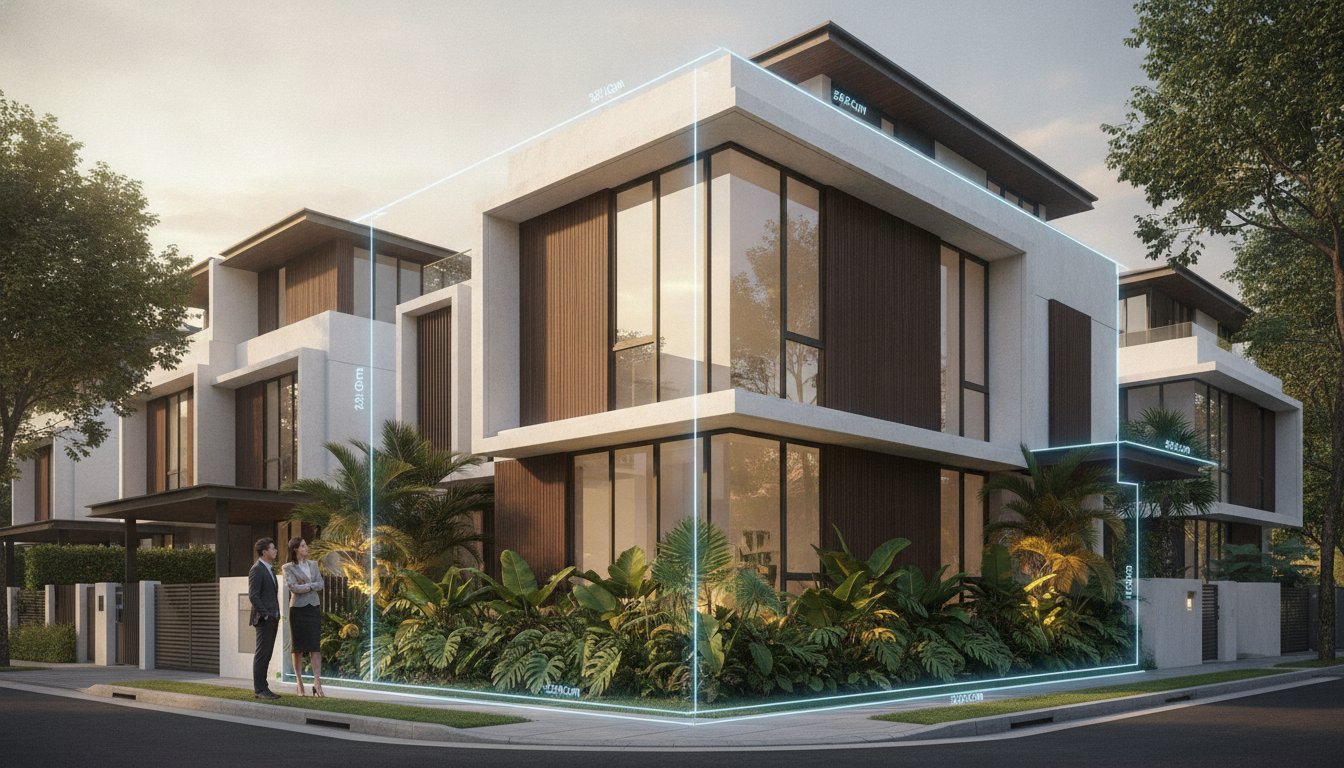
Singapore’s private residential market continues to adapt as urban planning priorities shift, transport infrastructure expands, and lifestyle preferences evolve. Property buyers today face an increasingly dynamic landscape shaped by government master plans, transit connectivity, and changing space requirements.
Key Drivers in Modern Private Residential Development
Several core factors define the appeal and valuation of new residential projects in Singapore.
- Transit-Oriented Design: Proximity to Mass Rapid Transit (MRT) networks remains a top criteria for home purchasers. Developments offering direct access or short walking distances to major line interchanges command consistent demand due to daily commuter convenience. Projects situated in emerging sub-urban centers or well-connected regional hubs benefit greatly from these infrastructure networks. For instance, buyers looking at prime central fringe living often prioritize well-linked locations like Amberwood at Holland, where accessibility intersects with an established residential neighborhood.
- Integrated and Mixed-Use Planning: Modern homebuyers increasingly favor developments that offer immediate convenience. Mixed-use projects that incorporate ground-floor retail, essential service outlets, and food options allow residents to handle daily errands without leaving their immediate surroundings. This model aligns with urban planning initiatives focused on self-sustaining neighborhood ecosystems.
- Proximity to Key Growth Nodes: Developments positioned within or near designated business hubs outside the Central Business District (CBD) stand to gain from commercial decentralized plans. High-profile regional transformations—such as the Jurong Lake District in the West—continue to attract long-term interest. Strategic Western launches like Lucerne Grand capture this growth momentum by offering close connectivity to commercial nodes and primary transport lines.
Benefits of Investing in New Launch Developments
Investing in new private residential units offers distinct functional advantages over older resale properties.
- Modern Layouts and Ceilings: Newer builds maximize usable internal space through efficient, squarish layouts. Contemporary architectural standards often feature higher floor-to-ceiling heights, improving spatial volume and natural ventilation throughout the home.
- Lower Initial Maintenance: Fresh construction comes with lower immediate maintenance outlay compared to aging resale developments, alongside warranty periods provided by developers to cover early structural or fitting rectifications.
- Capital Growth Potential: Securing property during initial launch phases in master-planned precincts often provides entry-level pricing tiers before neighborhood infrastructure fully matures.
Challenges Facing Prospective Property Buyers
While market opportunities are substantial, prospective buyers must navigate specific financial and regulatory hurdles.
- Macroeconomic and Interest Rate Shifts: Fluctuating interest rates directly impact monthly mortgage repayments and borrowing capacities. Buyers need to stress-test their finances against potential rate adjustments before committing to long-term loans.
- Stamp Duty Measures: Property purchases remain subject to cooling measures, such as the Additional Buyer’s Stamp Duty (ABSD). First-time buyers, repeat purchasers, and foreign entities must account for these upfront transactional costs when calculating total capital requirements.
- Supply Pipelines: Buyers must weigh total project supply across various postal districts. Areas with multiple concurrent land releases require careful evaluation to ensure future rental yield stability and resale liquidity.
Future Trends in the Private Property Market
The housing market continues to evolve alongside broader urban initiatives.
- Low-Density Precinct Enclaves: Urban master planning places high value on creating balanced living environments. Future developments within low-density enclaves offer exclusive, quieter living environments while staying linked to major arterial roads and top educational belts.
- Integration with Nature: Access to green spaces, regional parks, and nature trails has become an essential selection criterion. Developments near key leisure spaces—such as Jurong Lake Gardens or the Rail Corridor—provide immediate lifestyle value to health-conscious residents.
- Focus on Family-Centric Facilities: Developers are increasingly incorporating on-site amenities tailored to families, including dedicated childcare centers, multi-generational play spaces, and functional co-working lounges.
Final Thoughts
Selecting a private home requires a balanced analysis of location, infrastructure timelines, layout efficiency, and financial preparedness. Whether prioritizing transit-oriented convenience, low-density living, or long-term growth precinct positioning, thorough research remains vital. Evaluating options against long-term family goals and personal financial buffers ensures sound real estate decisions.